
Technologies & platforms
The right technology. A practical path to reliable operations.
For SMEs and enterprises: we turn your requirements into a suitable platform and a practical delivery process. Compare on-premises, OpenShift and cloud options, and discover how experience from SYNEDAT PLATFORM can support development, security and operations.

Your project determines the technology
A smaller IT team needs a manageable scope. An enterprise environment also needs many interfaces and owners to work together. We adapt the starting point to your situation.

Choose a platform
You are planning an application or modernising infrastructure. We compare suitable options against your requirements.
- Clarify the use case and dependencies
- Define architecture options and a pilot scope

Improve development and releases
Your teams need a traceable way to deliver changes. We connect existing tools through a shared development process.
- Align build, testing and deployment
- Try out templates, interfaces and handovers
Make operations predictable
You need clear platform responsibilities. We examine diagnostics, maintenance and recovery with your team.
- Develop monitoring, escalation paths and runbooks
- Agree an operating scope and knowledge transfer
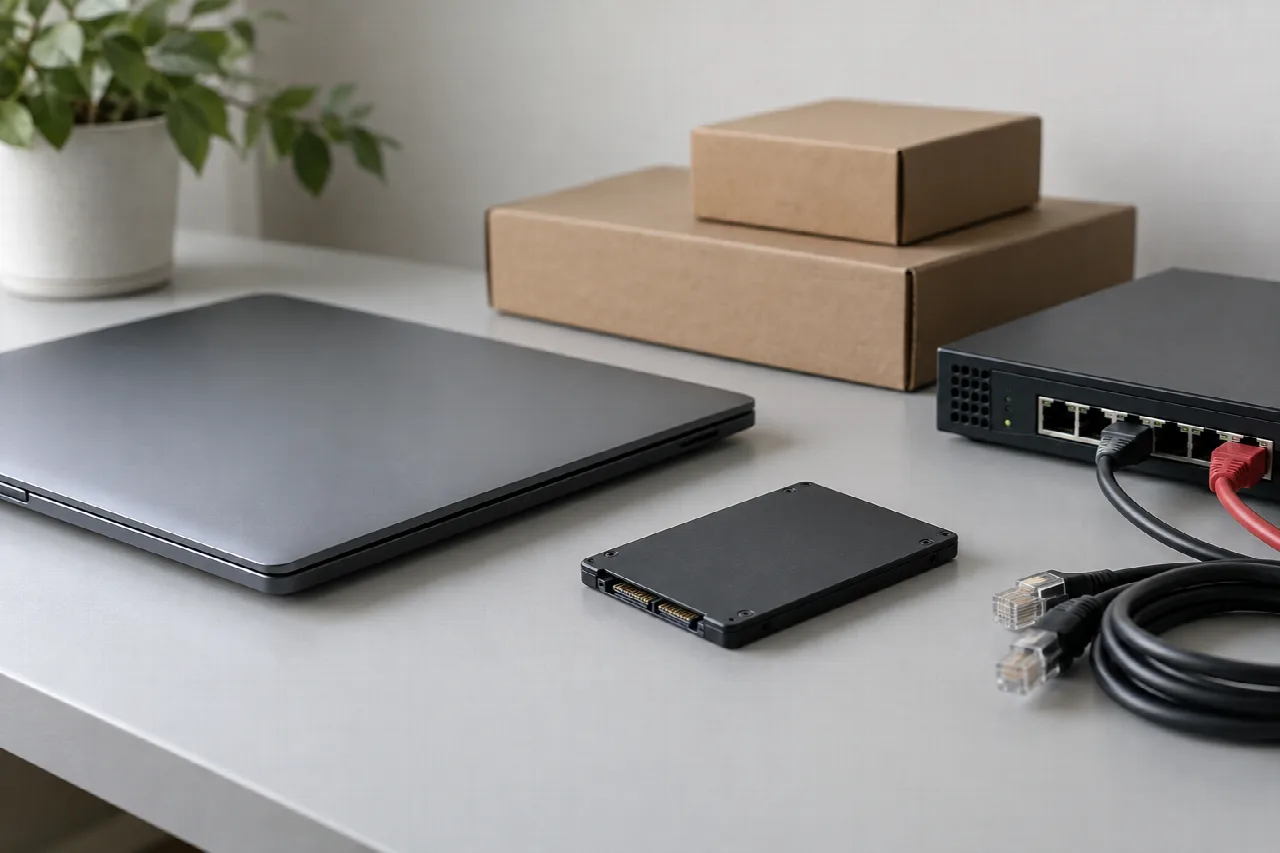
Illustrative images for planning, software development and technical operations.
SYNEDAT PLATFORM
On-premises, OpenShift and cloud platform options
Technology needs to fit your business and your teams. We connect platform selection, integration and operations in a practical plan. Experience from SYNEDAT PLATFORM informs our templates, security checks, automation and knowledge transfer.
On-premises infrastructureKeep infrastructure close to your processes and data.
Your own data centre can be the right location for applications with specific integration, latency or operational requirements. We plan compute, storage and networking together with identities, backup and monitoring. Hybrid connections extend the architecture where they provide a clear benefit.
Potential areas of focus
- Assess existing systems, dependencies and available operating capacity.
- Define virtualization or container infrastructure with clear responsibilities.
- Plan capacity, recovery, maintenance and connections to cloud services.
Decision criteria
Hardware lifecycles, available skills, application dependencies and operating costs are considered together. Running infrastructure on your own premises also requires a clear maintenance and recovery model.
Red Hat OpenShiftA shared application platform for development and operations.
OpenShift is an application platform based on Kubernetes. It can support teams that need consistent ways to build, deploy and operate containerized applications. We align platform capabilities with your environment, identity model and delivery processes.
Potential areas of focus
- Agree on application requirements and the platform scope before implementation.
- Integrate builds, container registries and GitOps into a controlled delivery process.
- Plan updates, permissions, diagnostics and knowledge transfer.
Decision criteria
We compare the required capabilities with licensing, existing skills and operating effort. The chosen platform needs to remain manageable after the initial rollout.
Microsoft AzureConnect cloud applications with identities and operations.
Azure can provide a foundation for applications, data and existing Microsoft identities. We structure subscriptions, access and networks, then select runtime and data services for the actual workload. Azure Kubernetes Service is one option for containers; not every application needs a Kubernetes cluster.
Potential areas of focus
- Build landing zones with clear ownership and access boundaries.
- Connect AKS or other suitable runtime options with development and operations.
- Manage cloud resources, costs and security policies throughout their lifecycle.
Decision criteria
Existing contracts and identities, required services, data locations, operating costs and data transfer costs all inform the decision.
Amazon Web Services (AWS)An AWS architecture that fits your workload.
AWS offers several ways to run applications and manage data. We turn your requirements into an appropriate account structure, network, identity model and service selection. Amazon EKS provides a Kubernetes option; other container or serverless approaches may suit the application and operating model.
Potential areas of focus
- Establish clear boundaries between accounts, environments and access rights.
- Connect applications with suitable compute, data and messaging services.
- Include automation, monitoring and cost ownership in the architecture.
Decision criteria
Key criteria include workload behaviour, integration needs, available regions, required provider capabilities and your teams’ ability to operate the solution.
Oracle Cloud Infrastructure (OCI)Connect Oracle environments with new applications.
OCI can be considered for existing Oracle applications and databases as well as new cloud workloads. We assess dependencies, network connections, permissions and operating responsibilities together. Oracle Kubernetes Engine provides a managed Kubernetes option for container applications.
Potential areas of focus
- Assess existing Oracle dependencies together with new application requirements.
- Align networking, identities, data access and environment boundaries.
- Connect OKE and other suitable services with automated provisioning.
Decision criteria
Licensing and contractual questions, data migration, service requirements, operating needs and a potential future platform change are clarified before the architecture is finalized.
Alibaba CloudTranslate international requirements into a clear cloud architecture.
Alibaba Cloud is an option to assess for projects involving international locations. We examine specific regions, required services, data flows and integration with your existing IT. Container Service for Kubernetes (ACK) provides a managed Kubernetes platform for container applications.
Potential areas of focus
- Check the specific regions, available services and required connections.
- Align accounts, identities and security policies with the overall architecture.
- Integrate container applications, data and operational monitoring.
Decision criteria
Regional service availability, contractual requirements and cross-border data flows need to be assessed for each project. A shared provider name does not mean every region has identical conditions.
Google CloudA common cloud foundation for applications and data.
Google Cloud can support application, data and AI projects with different operating requirements. We first clarify data sources, runtime needs, identities and integrations. Google Kubernetes Engine provides managed Kubernetes; the choice of operating mode depends on control requirements and responsibilities.
Potential areas of focus
- Structure projects, access and data ownership.
- Connect GKE or other suitable runtime services with your applications.
- Plan deployment, diagnostics and cost assessment together.
Decision criteria
Data locations, integrations, workload patterns and required platform capabilities shape the design. Managed services reduce some operating tasks while application and data responsibilities still need clear owners.
Technologies used in SYNEDAT PLATFORM
These selected components are used in our platform or its delivery processes. The scope for a customer project is agreed separately; the tooling overview is not a blanket license or service commitment.
From source code to verified artifacts
Azure DevOps · GitLab · Jenkins · Harbor · Nexus
Version control, build processes and artifact repositories make software versions traceable. Our platform approach connects these activities with defined checks and approvals. For your project, we select tools that fit your teams and existing processes.
A clear delivery process and traceable software versions.
Deployment and platform automation
Kubernetes · Azure Kubernetes Service · Helm · Argo CD · Terraform
Versioned configuration and declarative deployment connect infrastructure and applications. GitOps makes proposed changes reviewable and the desired state explicit. Operational transitions and recovery procedures are still planned for the specific application.
Repeatable changes and clearer responsibility boundaries.
Developer access and shared knowledge
Backstage · code-server · Structurizr · Swagger UI
A service catalog, suitable development environments, architecture views and API documentation help teams find their way and work together. The focus is on useful workflows and maintained information. An additional portal alone does not remove an organizational bottleneck.
Less time searching and an easier start for development teams.
Quality and the software supply chain
SonarQube · Trivy · Dependency-Track · DefectDojo · Renovate · Syft · Cosign
Code quality, vulnerabilities, dependencies and artifact provenance require different checks. Findings need to be linked to the product and delivered version, with a defined process for resolving them. Automated checks complement reviews and informed decisions.
Security and quality information that teams can act on.
Identities, secrets and policies
Keycloak · OpenBao · External Secrets · Kyverno
Sign-in, technical secrets and platform policies serve different purposes. We connect them with roles, limited permissions and documented exceptions. The selected tools form part of a common access and operating model.
Controlled access and more consistent platform policies.
Observability and operations
Prometheus · Grafana · Alloy · Loki · Tempo
Metrics, logs and traces provide different views of applications and platforms. We organize data sources, dashboards and alert paths around specific operating questions. Retention, sensitive data and costs are considered when planning data collection.
Better incident diagnosis and informed operating decisions.
Data, search and messaging
MySQL · Redis · RabbitMQ · Solr · OpenSearch
Data storage, caching, messaging and search have different consistency, access and recovery requirements. We select and connect these components around your business processes. Ownership and maintenance are part of the integration.
Technical components that fit your data and application processes.
Turn platform choices into a workable project
A platform review clarifies applications, data, dependencies and operational responsibilities. A focused pilot tests the key assumptions. The findings provide a sound basis for architecture, implementation and a proposal. Existing tools and contracts inform the decision.
Which operating model fits your application?
This comparison helps narrow the options. The decision concerns a specific application and its data, taking account of integration, available skills and the full lifecycle.
| Model | When we consider it | Operational questions | A useful first check |
|---|---|---|---|
| On-premises | Close integration with local systems or a deliberate need for infrastructure control. | Assign capacity planning, hardware maintenance, updates and recovery. | Compare dependencies and existing infrastructure with the target design. |
| Public cloud | New applications or changing demand should use suitable provider services. | Define responsibilities per service, access, consumption and ongoing costs. | Test a scoped workload with realistic demand and cost assumptions. |
| Hybrid | Existing local systems are connected to cloud resources. | Coordinate networks, identities, data flows and diagnostics across both environments. | Test a complete process, including connection failures. |
OpenShift is a platform option within the chosen operating architecture. Hosting location, platform scope and service responsibilities are defined together.
A platform assessment provides a concrete basis for decisions
We agree the scope before starting. Depending on the question, your engagement can include these deliverables:
- Requirements with priorities, dependencies and open decisions
- Comparison of suitable architecture options with a reasoned recommendation
- Pilot plan with success criteria, test scope and required contributions
- Implementation roadmap with responsibilities, cost assumptions and handovers
Frequently Asked Questions
Which platform is right for us?
We start with applications, data, integrations, operating capabilities and commercial constraints. Suitable options are compared against these criteria, with important assumptions tested in a limited pilot.
Do existing applications have to move to the cloud?
No. A well-founded target architecture can combine on-premises infrastructure, public cloud and hybrid connections. Responsibilities, data flows and operating tasks need to remain clear across platform boundaries.
Is OpenShift a cloud provider?
OpenShift is an application platform based on Kubernetes. Depending on the offering and infrastructure, it can be self-managed or used as a cloud service. Platform selection and the choice of operating location are related but separate decisions.
Does SYNEDAT operate all the cloud platforms listed here?
The overview describes platform options for customer projects. The tooling section shows selected components actually used in SYNEDAT PLATFORM. A product listing does not imply a vendor partnership or certification.
Can we continue using our existing tools?
Yes. We assess existing interfaces, processes and licenses. New components should provide a clear benefit and fit the way your teams work. Replacing everything is not an automatic project objective.
What can a shared platform standard offer?
Reusable templates, clear ownership and consistent checks can simplify recurring tasks. Standards need testing, maintenance and a practical way to handle justified exceptions so they support development and operations.
How is vendor dependency considered?
We document provider capabilities selected deliberately and interfaces that are difficult to replace. Data export, handover and potential switching costs inform the assessment. Complete interchangeability can itself add complexity and cost.
How can we start working with SYNEDAT?
An architecture or platform assessment identifies goals, dependencies and a suitable first use case. The result is a specific proposal, defined deliverables and a clear basis for a quotation.
How do we compare the total cost of different platforms?
Alongside licences and consumption, we consider migration, data transfer, staff effort, maintenance and possible future changes. An agreed demand profile and evaluation period make assumptions comparable. A pilot can clarify uncertain cost assumptions.
What decisions can we make after a platform assessment?
The agreed assessment should show which architecture appears viable for the use case, what prerequisites are missing and what the next step involves. Recommendations, assumptions and open questions are documented so your stakeholders can decide on a pilot or implementation.
Which platform question would you like to resolve?
Tell us about your application, current bottleneck and existing platforms. Together we will define a suitable review or pilot, its deliverables and the next steps.
Discuss a platform assessment